AI
Anti-SaaS: When the Best Subscription Is No Subscription

Alex Hornak
Feb 18, 2026
10 min
Here’s the honest version: a lot of SaaS doesn’t feel like “software as a service” anymore. It feels like “rent a single feature forever.”
And when the bill hits three digits a month for something you use twice a month, the value calculation gets weird fast.
What changed is not pricing. Pricing has always been… ambitious.
What changed is that it’s now normal for designers and small teams to build their own utilities. Not as a science project. As an actual workflow. Tools like Cursor, Claude Code, and Lovable took a big chunk of friction out of going from “we need this” to “it exists.”
I’ve started calling this posture anti-SaaS.
Not “SaaS is evil.” Not “never pay for software.” Just: stop subscribing to bloated platforms when you only need a narrow, clear piece of utility.
Anti-SaaS is the practice of building a Minimum Valuable Utility (MVU) instead of subscribing to a full platform.
A lot of teams don’t have a tooling problem. They have a clarity problem.
When you answer those honestly, you start seeing how much of a typical SaaS plan is padding.
We’ve been shipping more web and brand experience work as live artifacts.
Not PDFs. Not a Figma file that slowly drifts away from reality. Actual deployed pages. Vercel links. Real code. Real iteration.
That workflow is great until you hit the most basic question:
Developer tools are amazing at deployment and versioning. They’re not great at client-facing feedback. And the tools that are great at feedback often come with a familiar trade:
So we took the anti-SaaS route.
We built the minimum.
A simple tool that:
That’s it.
No “workspace.” No seats. No admin console that needs a training session.
Just the utility taylor fit to the workflow.
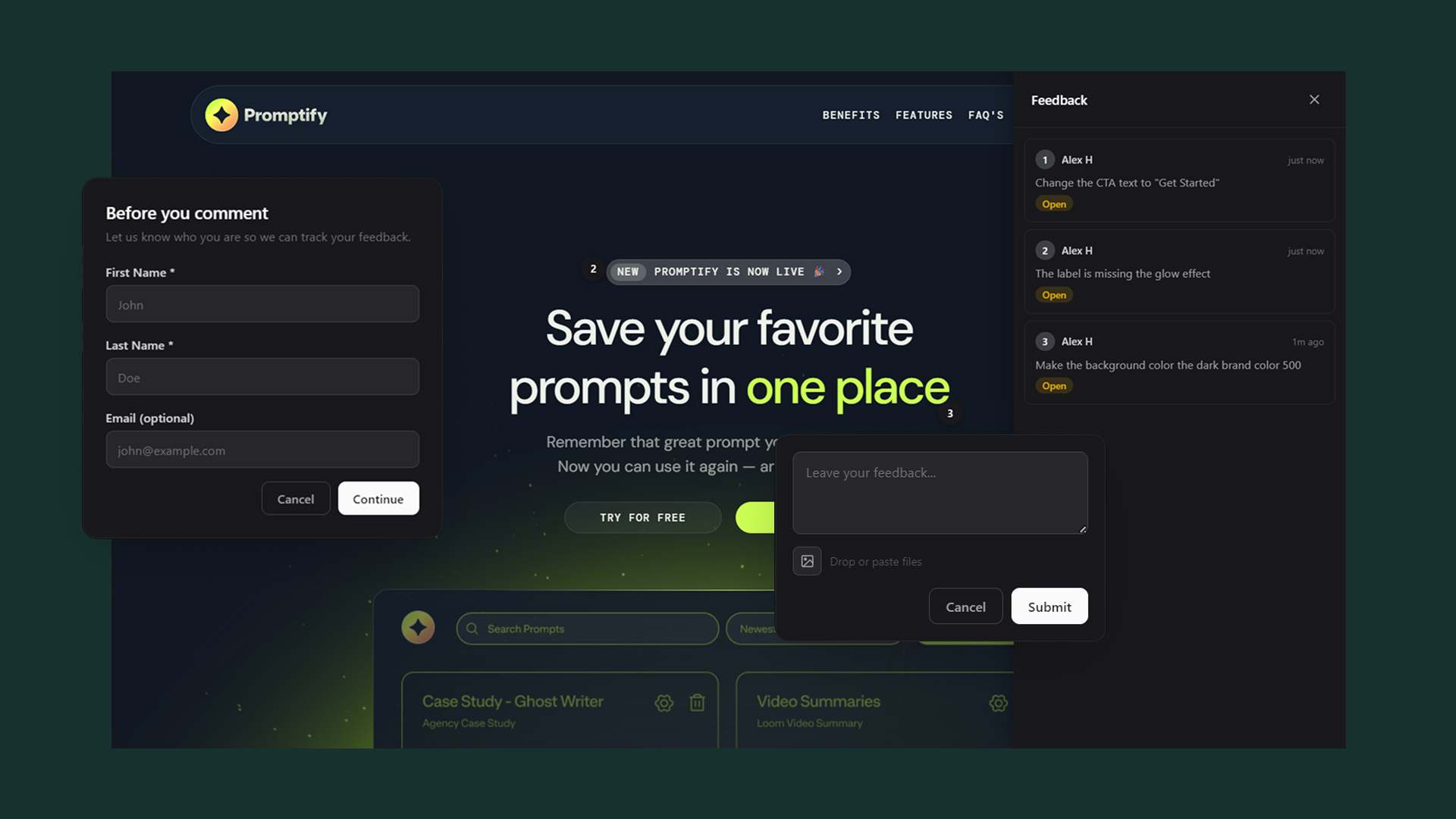
I’m not precious about how the first version gets made.
We got to a working prototype quickly using an AI-assisted build approach (what the internet calls “vibe coding”), and then we tightened it up with real development discipline.
That sequencing matters:
My honest observation: prototypes are allowed to be messy. Production isn’t.
Once you’ve built one “we only need this one thing” tool, your brain starts noticing how many other workflows are held hostage by subscriptions.
The next pressure test showed up in brand delivery.
More clients are asking for brands that are AI-native in a practical sense:
The work has been shifting over the past few years. Brands need to be living artifacts that plug directly into the tools people are using.
So we asked a different question:
What if the brand kit is also a tool?
We started building an internal platform that turns the end of a brand sprint into something usable on day one:
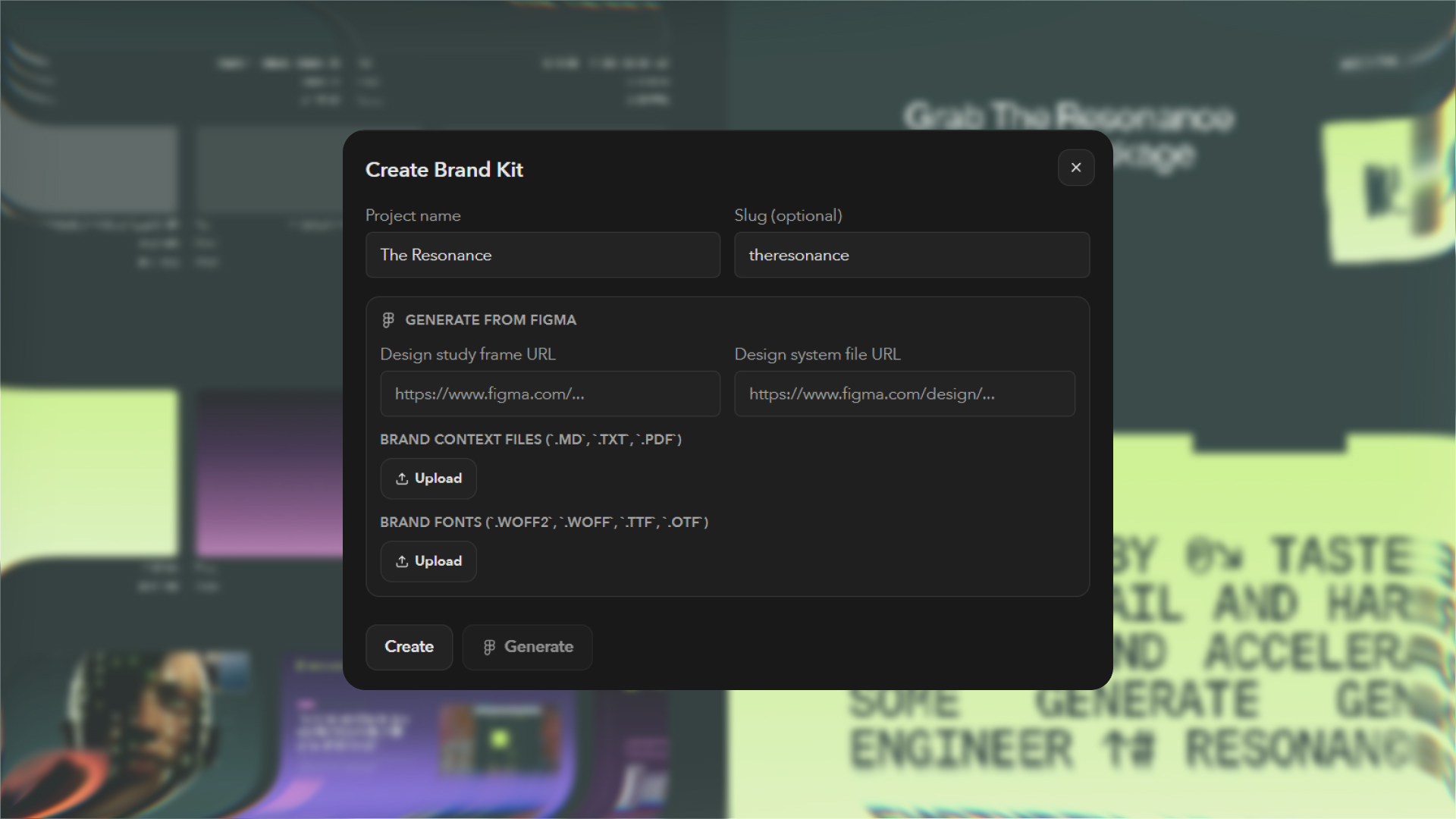
It’s another anti-SaaS move: instead of buying a generic “brand guidelines platform” and bending our process around it, we built a tool that fits how we actually ship.
I’m not making the claim that subscriptions disappear tomorrow.
I am saying this: the default is shifting.
When building gets cheaper and faster, the SaaS model gets pressure-tested in a new way. Not by competitors. By customers who can now build a narrower tool that fits their exact workflow.
This is showing up outside design studios too. “Vibe coding” is getting pulled into enterprise conversations precisely because it enables teams to build internal tools instead of buying them.
And AI coding tools are being adopted at serious scale, which only accelerates the expectation that “custom” can be normal.
The nuance: this doesn’t kill SaaS. It shrinks it.
It turns a lot of “platforms” into a set of features that customers can choose to rebuild when the math stops working.
If you’re a designer, agency operator, or small team, here’s what I’d run before you open another free trial.
If the use case is clear and not changing weekly, it’s a good MVU candidate.
Be honest. If you only use 10% of the product, you’re buying someone else’s roadmap.
Edge tools are perfect MVUs: commenting, handoff, internal QA, asset management, intake forms.
If the tool helps you ship with more consistency, less cognitive load, and fewer steps, it’s worth it.
If building it means you now have a second job, pause. Sometimes the subscription is still the right call.
Anti-SaaS is not a purity test. There are categories where SaaS wins:
Taste is still a competitive advantage, and restraint applies here too.
Building the wrong thing is just a different kind of waste.
My bet: we move from “software as a service” to Value-as-a-Service (VaaS).
And for designers specifically, this is a shift in power.
You’re not just designing screens. You’re designing workflows, handoffs, and living systems that keep the brand intact when the client is moving fast.
Pick one recurring annoyance in your workflow. Something small but constant.
Then build the minimum version of the utility that removes it.
A small experiment:
AI tools for creators, by creators. Built to push what’s possible.
AI tools for creators, by creators. Built to push what’s possible.

.webp)